
Before we even had time to fully absorb the passing of Third World’s Stephen “Cat” Coore, more sad news arrived from Jamaica. And once again, many devoted reggae fans around the world are left in mourning.
The Architect of the Modern Reggae Beat
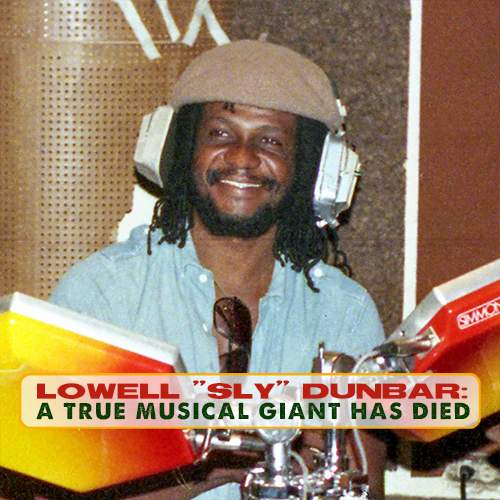
It’s hard to imagine reggae, dancehall, or even modern pop without Sly Dunbar’s fingerprints on it. Lowell “Sly” Dunbar, one of Jamaica’s true musical giants, has died at age 73. He died peacefully in his sleep after being ill for some time.
To simply call Sly a drummer doesn’t quite cover it. He was a builder of sound. As one half of the legendary duo Sly & Robbie, alongside bassist Robbie Shakespeare, he helped shape the sound of Jamaican music for over five decades. Between sessions, productions, and tours, they worked on an estimated 200,000 tracks. That’s not hype. That’s history. It likely makes Sly the most recorded drummer of all time.
Early Life and the Birth of “Sly”
Born in Kingston in 1952, Sly fell in love with riddim early. He got his nickname from his admiration for American artist Sly Stone, and you can hear that influence in his fearlessness and groove. By 15, he was already recording professionally, first appearing on Ansell Collins’ “Night Doctor.” From there, things moved fast.
In the early ’70s, Sly became a key member of The Revolutionaries, the house band at Channel One. This is where he changed the game. His sharp, driving “militant” double-tap drum style pushed reggae away from the laid-back one-drop feel and into the tougher, harder-edged rockers sound. That beat defined an era and rewired how riddim could hit your body.
The Riddim Twins
Then came the partnership that changed things even further. When Sly linked with Robbie Shakespeare, the chemistry was instant. Sly’s drums were tight, inventive, and fearless. Robbie’s bass was deep and melodic. Together, they formed a riddim section that artists around the world wanted on their records. They worked with Peter Tosh, Bob Dylan on Infidels, Grace Jones on Nightclubbing and Slave to the Rhythm, The Rolling Stones, Serge Gainsbourg, No Doubt, and many more. Few Jamaican musicians ever crossed genres so naturally and successfully.
Innovation and Digital Evolution
What really set Sly apart was his openness to change. When digital tools entered reggae in the 1980s, many artists resisted. Sly didn’t. He experimented with drum machines and electronic pads like the Simmons SDS-V, and brought them into live recording sessions. Those early digital riddims helped set the stage for the rise of dancehall and even influenced hip-hop and drum & bass.
Awards and Legacy
Sly earned Grammys, national honors like Jamaica’s Order of Distinction, and respect that can’t be measured in trophies. He was a quiet figure who never chased shine. Sly was calm, focused, usually behind the kit with his newsboy cap, listening closely and playing exactly what the song needed. Even late in life, he stayed curious, always searching for the next sound.
Sly Dunbar’s passing marks the end of a chapter, but not the end of the story. His heartbeat lives on in every riddim that knocks, every sound system session, every track built on solid timing and taste. He leaves behind family, friends, and generations of musicians who still measure themselves by his standard.
Sincere condolences to his wife Wilma, family, and friends. Gone but never forgotten!
(Photos: Beth Lesser / Teacher)