
The Channel One Challenge
The big pressure came from Channel One, run by the Hookim brothers up on Maxfield Avenue. They had arrived with a fresh sound and a clear plan. The Hookim brothers and their in-house band The Revolutionaries were pushing the rockers style with its tight drums, heavy bass, and serious punch. It was built for the sound system era. And a lot of those big tunes? They were new takes on old Studio One riddims. By 1976, Channel One versions of Real Rock, Answer, and Full Up were running the place. Coxsone owned the originals, but the new generation was dancing to the relicks. It looked like Studio One might slide into history: important, respected, but no longer leading the charge. And that stung.
The Strategy: Overdubs and Originality
However, Coxsone refused to let that happen. Instead of arguing in court or sulking about the past, he did something smarter. Studio One had something no one else could touch: the original multi-track tapes from the late ’60s and early ’70s. Coxsone pulled them out and gave them new life. He didn’t erase the past. He strengthened it by turning his old tapes into new musical weapons. Using late-’70s studio tech, he thickened the bass, added syndrum hits and extra percussion, and sharpened the overall sound. Same riddims, same spirit, but now they could stand up next to Channel One in a live dance. This wasn’t nostalgia. This was survival. And it worked.
Extended Mixes
And Coxsone didn’t stop there. He started to release new music, in the same rhythmic style. He also followed the burgeoning “Disco Mix” trend and began releasing extended versions, , overdubbed tunes as well as brand new ones. Vocals would glide straight into dub sections, showcasing the power of the refreshed riddims. It enabled selectors to play the riddim longer and louder. If you were standing near a sound system, you felt the difference immediately. It made that Studio One was back in the conversation of reggae enthusiasts.
The Hits of the Comeback
This late-’70s period gave us some of the strongest Studio One releases ever. And Sugar Minott sat right at the center of it. His seminal album, Live Loving, was the blueprint. Sugar picked riddims straight from the Brentford Road vaults, and Coxsone polished them for the new era. That album didn’t just revive Studio One, it connected roots reggae to what dancehall was becoming. Other artists followed with strong results. Johnny Osbourne’s Truth & Rights hit hard. Freddie McGregor’s Bobby Bobylon became an anthem. Willie Williams’ Armagideon Time carried deep roots energy. Michigan & Smiley lit up dances with Nice Up The Dance. All of it rested on Studio One foundations: refreshed, not replaced.
Legacy: The Foundation Remains
What Coxsone Dodd did in the late ’70s changed the future. He showed that riddims are living things. If they’re built right, they can travel decades without losing power. This period didn’t just keep Studio One alive. It laid groundwork for ’80s dancehall and beyond. Today’s version culture, dubplates, and riddim recycling all trace back to moments like this. So, every time you hear a vocal followed by a version, every time an old riddim comes back with a new voice, remember that Studio One figured that out a long time ago.
The Complicated World of Studio One Discomixes
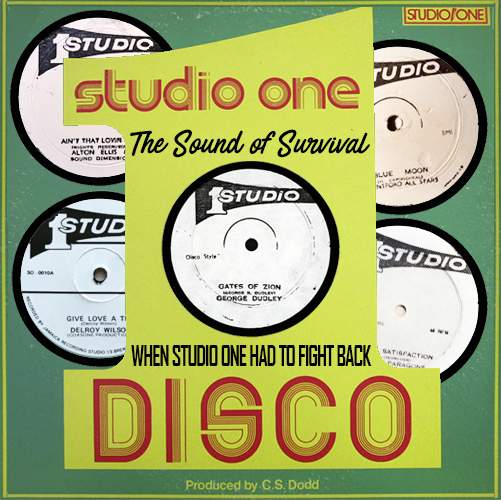
Trying to classify Studio One 12-inch releases can give any collector a headache. And honestly, that’s part of the story. The earliest 12″s, roughly from 1975, were mostly L-R mixes. Longer versions for DJs and sound systems, but still close to the original recordings. No overdubs yet. Around 1978, Coxsone switched gears. He now could work with more tracks and better studio options, so Coxsone started updating his older riddims. These weren’t remixes in the modern sense. They were rebuilds. At first they were overdubbed to steppers, later rub-a-dub. Many of those overdubbed versions only came out on 12″ or 10″ vinyl. Small pressings. No wide distribution. That’s why so many of these discomixes disappeared for decades.
Later compilations helped fill in the gaps. Studio One Showcase Vol. 1 & 2, Nice Up The Dance – Studio One Discomixes, and Rebel Discomixes, all brought some of this material back into circulation. But even then, it wasn’t the full picture. Take Soul Jazz’s Studio One Disco Mix LP. It includes plenty of extended cuts, but only five of them were ever released as true Studio One 12″ discomixes back in the day. Also, several Studio One compilations released by Heartbeat Records featured extended mixes. Extended, yes. but not original Studio One 12″ discomixes.
All this makes this era so fascinating. The music survived, but the formats didn’t always. And if you’ve ever gone digging for original discomixes, you already know how deep the rabbit hole goes.